
OPSVAW Supports Five Students
One of the top priorities of the OPSVAW is the support of students, and the 2014-2015 academic year will see the program support five students through graduate fellowships and research assistantships.
One of the top priorities of the OPSVAW is the support of students, and the 2014-2015 academic year will see the program support five students through graduate fellowships and research assistantships.
A blessing (in my view) or a curse of being a geomorphologist is that you are never completely “off the clock,” because there are landforms and landscapes everywhere, and in all but the most heavily urbanized and industrialized areas, you can almost always see something interesting.
So here I am on vacation in Myrtle Beach, SC, a destination and timing selected because my son and daughter-in-law live here, and my grand-daughter is due within the next 10 days or so. I went out for a run on the beach this morning (one of the few surfaces my bad knees tolerate any more), and could not help but think that it would be a great day for a class field trip. Not a classic summer beach day by any stretch—cloudy, rainy, lightning out over the ocean, and a strong wind from the east, not typical at this time of year. But a lot to see along the shore.
Topophilia is the affective bond between people and places, and also the title of an influential 1990 book by human geographer Yi Fu Tuan. I was thinking about this yesterday as my wife and I drove across the North Carolina coastal plain to visit relatives. Highway 70 from Raleigh east toward the coast is not a scenic drive by any objective standard. The topography is flat and monotonous, and the road corridor is infested with strip malls, billboards, convenience stores, and tourist traps.
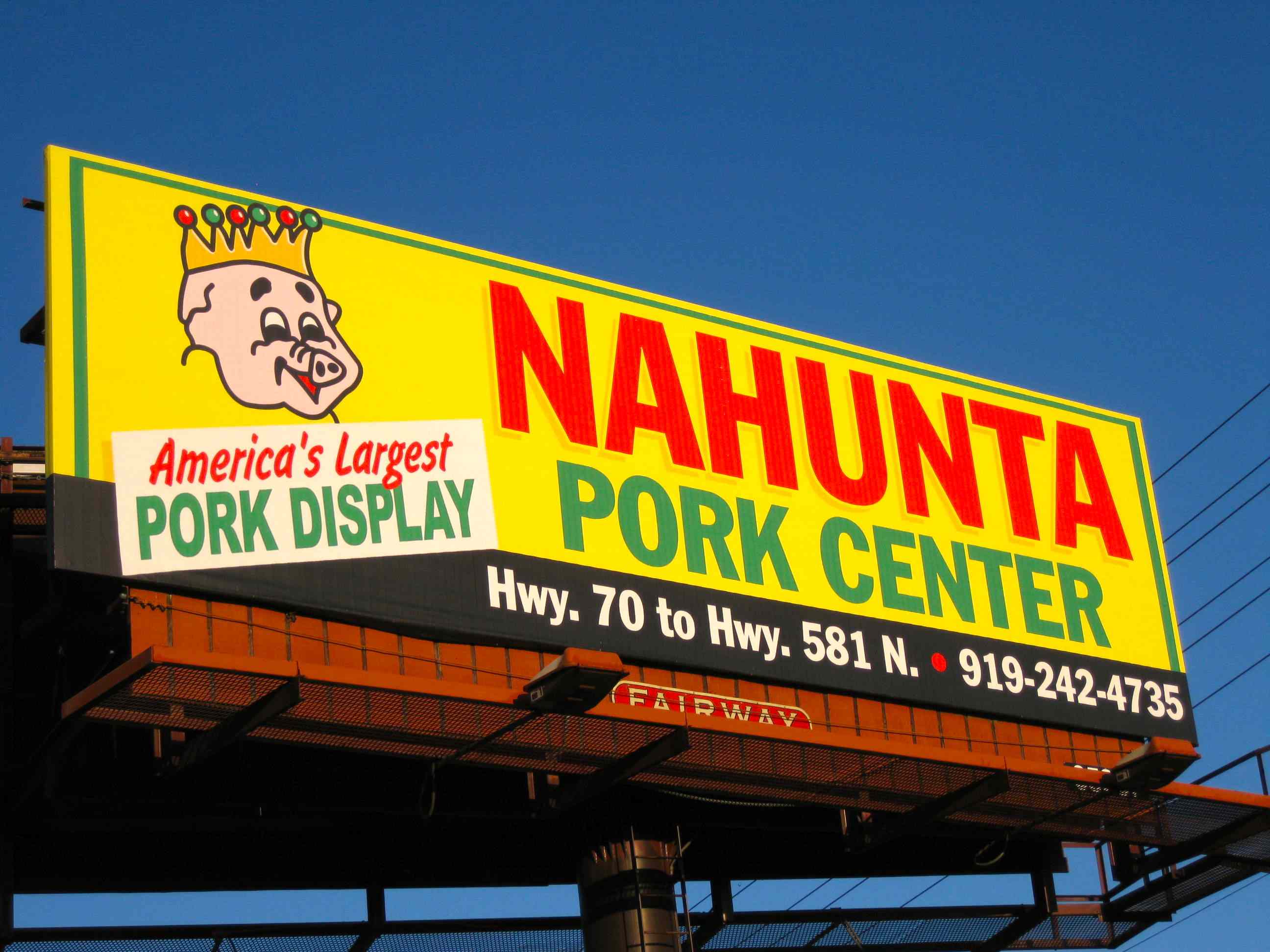
Yet, as it does every year when I make the trek east from Kentucky, this crappy stretch of highway triggered fond associations with eastern North Carolina—topophilia, I reckon. I am a native of the region, taught for nine years at East Carolina University, and my wife’s family lives there. My post-dissertation field research sites were there, and there are some sites I still monitor during my family visits.
University of Kentucky biologist Ann Morris is studying retinal regeneration in zebrafish to find ways to combat human eye diseases.
Psychology alum Jamie Studts is working to develop an online tool that will help individuals at high risk for lung cancer navigate the lung cancer screening decision-making process.
In Fall of 2015, a new initiative to connect campus and community will open its doors. LEXengaged, a Living Learning Community connecting undergraduate students to the city of Lexington, will welcome its first students. Lynn Phillips and Rosie Moosnick, faculty advisors and co-directors of the program, explain LEXengaged and the inspiration behind it.
This podcast was produced by Cheyenne Hohman.
This summer took a different turn for Nathan Moore, an English undergraduate student with a minor in African American and Africana Studies, as he headed to New York City as a Schomburg-Mellon Humanities Summer Institute Fellow.
When we talked to the four biologists that make up the unofficial regeneration "cluster" at the University of Kentucky, we learned too many interesting things to cram in the group video. So we made a short video for each of them. Here's more on Ann Morris and zebrafish.
Produced by Research Communications at the University of Kentucky.
Read more: http://uknow.uky.edu/content/regeneration-bonus-ann-morris