
Energizing a Career: Robert Stokes’ physics degree took his career from space science to energy technology
By Julie Wrinn
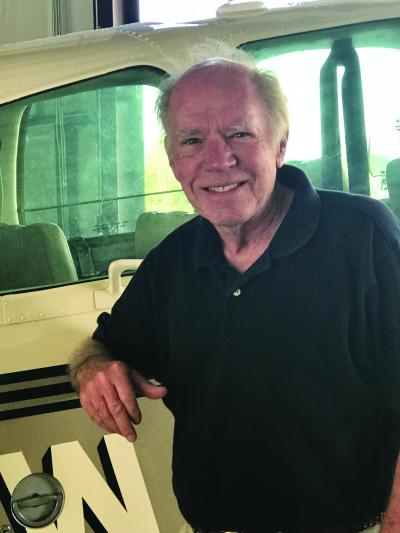 Robert Stokes (Physics BS '64) came of age in the 1960s as part of a generation of American astrophysicists who were energized by the Soviet launch of the Sputnik satellite. He grew up in Ravenna, Kentucky, a tiny city in Estill County built up by the Louisville and Nashville Railroad in 1915.
Modern & Classical Languages, Literatures & Cultures Professor Adapts to Online Teaching
By Ryan Girves
This week marked the start of online learning for University of Kentucky students across campus following the announcement from President Eli Capilouto suspending all in-person instruction through the end of the spring semester in response to the coronavirus (COVID-19) pandemic.
UK is one of many universities to move its classes online using channels such as Zoom — a video conferencing platform — as part of an effort to de-densify campus.
A&S Voices: Latinx Students
Three Latinx students discuss their experiences at UK, and give advice to incoming international students on how to build community and thrive on campus.
Appalachian Studies Association Conference at UK Canceled
The Appalachian Studies Association conference, which was scheduled to take place this week at the University of Kentucky, has been canceled due to circumstances surrounding COVID-19. The following message was sent from the ASA to its members and registrants yesterday:
UK's Leading Latinas Inspire Lexington High Schoolers
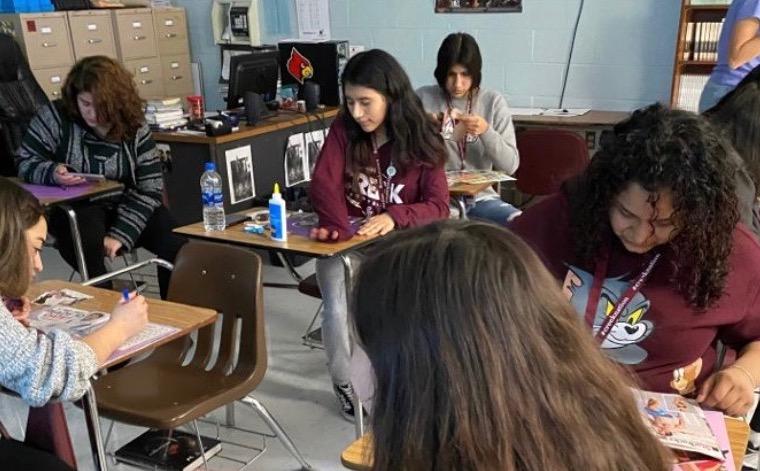 When Isabella Morales’ older sister Maria was a high school student in Lexington, she noticed a lack of mentors who looked like her or who had lived her experience – that of a Latina student in a majority-white school. As a student at UK, she decided to do something about it by founding Leading Latinas, a student organization that mentors Latina high school students and encourages them to apply to UK.