"Human Origins and Dispersals: Fossil and Genomic Perspectives"

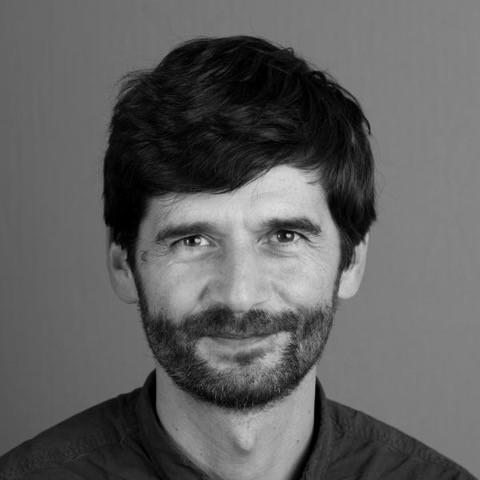
SelfieHugo Reyes-Centeno HEVA (Human Evolution & Virtual Anthropology Lab) EduceLab

Dr. Hugo Reyes-Centeno is an evolutionary anthropologist specializing on the emergence of modern human anatomy and behavior over the last million years. In addition, he conducts inter-disciplinary research on human biocultural diversity and the study of natural and cultural heritage worldwide. Prior to joining the University of Kentucky in 2020 as Assistant Professor of Anthropology, he served as Scientific Coordinator and co-founder of the Center for Advanced Studies “Words, Bones, Genes, Tools” at the University of Tübingen (Germany), where he also completed a dissertation in the Institute of Archaeological Science and the Senckenberg Centre for Human Evolution and Paleoenvironments. His research has appeared in Cell, PNAS, Journal of Human Evolution, and PLoS Genetics, among other venues. He has performed paleontological and archaeological fieldwork in France, Italy, Peru, the Philippines, and Spain. Currently, he serves as Co-PI of the NSF-funded EduceLab: Infrastructure for Next Generation Heritage Science.

Abstract: Despite consensus on the emergence of anatomically modern humans in Africa and their subsequent dispersal into the rest of the world, the mode and timing of these processes remain controversial topics. In addressing them, data on human anatomical and genomic variation have sometimes generated conflicting inferences. Therefore, approaches that consider both lines of evidence under a common theoretical framework are important for reconciling competing evolutionary models. In this talk, I highlight research that tests competing models of human dispersal out of Africa, which applies quantitative genetic and population genetic methods to anatomical and genomic data. I discuss the caveats of these conclusions, including the influence of admixture between modern humans and other hominins. Furthermore, I examine how these findings align with the known human fossil record and a growing inventory of ancient genomes from archaeological and paleontological contexts. Finally, I review how ongoing field and laboratory projects in Eastern Africa, Southeast Asia, and South America shed light on human evolution, adaptations, and dispersals.

Group Map
Date:
Location:
THM 116

A&S Alumni Tailgate

Tailgate with A&S alumni and friends before Kentucky and Georgia fight like cats and dogs!

Join Dean Ana Franco-Watkins for tailgate food and drinks, games, and A&S giveaways. All College of Arts & Sciences alumni are welcome to attend.

Reserve your spot HERE for the tailgate now - Space is limited!

img

The A&S Alumni Tailgate will begin at 1:30 p.m. with the game starting at 3:30 p.m. Times are subject to change. Food and drink are served at no cost.

The A&S Alumni Tailgate location will be at the Commonwealth Lawn, located in the Main Lot by Kroger Field.


Thank you to our generous sponsor

img

Date:
-
Location:
Kroger Field - Main Lot, Commonwealth Lawn

"Cold-blooded and Nowhere to Go: How Insects Survive the Winter"

Nicholas Teets

Insect species distributions are tightly linked to winter conditions. Surviving winter requires adaptations to cope with low temperatures and limited food resources, and much of our lab’s work focuses on the underlying mechanisms used by insects to survive extreme winter conditions. In this talk, I will primarily discuss our recent work on survival mechanisms of the Antarctic midge, which is the world’s southernmost insect and the only species endemic to Antarctica. This species can survive freezing of its body fluids for up to nine months a year, but it must also cope with considerable spatial and temporal variability in Antarctica’s unpredictable environments. Here, I will summarize how this impressive beast survives internal freezing, as well as the consequences of microhabitat variability and winter climate warming.


Larvae (left) and adults (right) of the Antarctic midge


Fieldwork


Date:
Location:
THM 116
Subscribe to